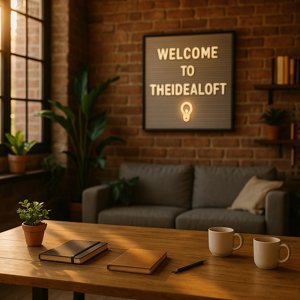

The secret to a successful event isn’t just a good idea — it’s execution that respects attendees’ time and energy. Start with a clear purpose (connect, learn, celebrate), match the format to the goal, keep the schedule tight with room for conversation, and make joining effortless with crisp instructions. Follow up with highlights, photos, or shared notes to extend the life of the experience and build anticipation for what’s next. When people leave feeling energised, not drained, you’ve done it right.
Why Events Succeed (or Flop)
Great events respect attention, provide clarity, and create moments worth remembering. Flops are vague, late, overlong, and hard to join.
Success Signals
- Clear why and audience
- Obvious “what to expect” and schedule
- Warm hosting, tight timekeeping
- Follow-up with highlights & next steps
Flop Flags
- Vague agenda or shifting scope
- Long monologues; no interaction
- Confusing links/venue info
- No recap → momentum evaporates
Define Purpose & Audience
Name one primary goal. If you have two, pick the one that decides the format.
| Primary Goal | Design Implications |
|---|---|
| Connect | Small groups, icebreakers, generous mingling time |
| Learn | Focused content, hands-on segment, Q&A, materials |
| Celebrate | Short speeches, showcases, photos, gratitude rituals |
Pick the Right Format
Coffee Meet-Up
- Casual intros, 2–3 prompts
- Best for: connection, on-ramps
- 60–75 minutes
Skill-Share Workshop
- Short demo + hands-on + share-back
- Best for: learning by doing
- 90–120 minutes
Showcase / Demo Night
- 5-min slots, strict timebox, applause
- Best for: celebrate & inspire
- 60–90 minutes
Agenda & Flow (Templates)
60-Minute Social
- Welcome & purpose (5)
- Speed intros in pairs (10)
- Prompted small-group chat (20)
- Open mingle / photos (15)
- Wrap: thanks & next step (10)
90-Minute Workshop
- Welcome & outcomes (5)
- Demo / content (20)
- Hands-on exercise (35)
- Share-backs (20)
- Wrap & resources (10)
Experience Design: Energy & Moments
- Open strong: say what this is, for whom, and how to participate.
- Alternate beats: content → interaction → content → interaction.
- Timeboxing: protect momentum and fairness.
- Micro-moments: welcomes at the door, name tags, photo corner, closing ritual.
Logistics & Accessibility
| Item | Notes |
|---|---|
| Joining instructions | Exact time, location/link, parking/transit, access notes, contact |
| Room & tech | Layout, A/V, Wi-Fi, recording policy, backup plan |
| Accessibility | Step-free access, quiet area, captions, dietary options |
| Code of conduct | Visible policy + reporting path |
| Supplies | Name tags, markers, timers, snacks, sanitizer |
Hosting & Facilitation
- Warm welcome: greet by name; model the vibe.
- Set norms: “one mic,” concise shares, be curious not certain.
- Invite quiet voices: “We haven’t heard from… would you like to add?”
- Handle tangents: “Parking lot” note; promise follow-up if needed.
- Close cleanly: recap 3 highlights, thank contributors, share next steps.
Engagement Mechanics That Work
- Prompts: two specific questions beat one vague one.
- Artifacts: live doc or whiteboard everyone can see.
- Roles: greeter, timekeeper, note-taker, photographer.
- Giveaways: resources, templates, or next-event discount.
Comms Timeline: Before / During / After
Before
- T-14d: announce with purpose & agenda
- T-3d: reminder + access info + what to bring
- T-24h: “See you tomorrow” + maps/links
During
- Live doc link, hashtag, photo corner
- Capture quotes & demos
After
- T+24–48h: recap + photos + resources
- Invite to next step (thread, signup, workshop)
Run-of-Show (Day-Of Checklist)
- Arrive early; test A/V; set up signage and name tags
- Brief volunteers on roles and escalation path
- Open doors 10–15 minutes early with music
- Start on time; timebox segments; capture notes
- Collect consent for photos if applicable
- Close with thanks and a single, clear next action
Follow-Up That Extends the Value
- Highlights post: 5 bullets, links, and photos.
- Shared notes: capture decisions, resources, and asks.
- Gratitude: name contributors; DM speakers with thanks.
- Next step: date of the next event or sign-up for a related activity.
Metrics That Matter
| Metric | Target | Why it matters |
|---|---|---|
| Show-up rate | ≥ 65% of RSVPs | Clarity & friction to attend |
| Peer interactions | ≥ 2 per attendee | Connection beats content alone |
| NPS / satisfaction | ≥ 8/10 | Quality signal |
| Next-step uptake | ≥ 30% | Momentum to what’s next |
| Volunteer load | ≤ 6 hrs/host | Sustainability |
Anti-Patterns to Avoid
- All talk, no structure: “networking” with no prompts or purpose.
- Agenda creep: adding content instead of protecting space to connect.
- Mystery logistics: unclear access details kill attendance.
- Silence after: no recap means the value vanishes.
Templates: Agenda, Invite, Recap
Invite (Copy/Paste)
Subject: Join us for [Event] — [Date], [Time]
Why: In 90 minutes you’ll learn X and meet Y.
What to expect: [3 bullet agenda].
Where / How: [Venue/Link], access notes, contact: [Name + number].
Bring: [optional]. Code of conduct: [link].
Agenda (Run-of-Show)
Doors open (-10) • Welcome (0) • Content (10) • Activity (30) • Share-back (60) • Mingle (75) • Close (90)
Recap (24–48h After)
Thanks for coming! Highlights: [5 bullets]. Slides/notes: [link]. Photos: [album].
Shout-outs: [names]. Next up: [event/date] — RSVP: [link].
14-Day Event Sprint Plan
Days 1–7
- Write promise, pick format, book venue
- Publish invite + RSVP page
- Create agenda, assign roles, test tech
Days 8–14
- Reminder comms (T-3d & T-24h)
- Run event with run-of-show
- Recap post within 48h + next step
FAQ
How long should events be?
What’s the ideal group size?
How do we ensure inclusivity?
What if speakers run long?
Event Builder Checklist
- Write the event promise (why + who + outcomes).
- Choose format & draft a timeboxed agenda.
- Publish clear joining instructions & access notes.
- Assign roles (host, timekeeper, notes, photos).
- Prepare prompts, materials, and a live notes doc.
- Capture highlights during the event.
- Send recap within 48h with next step.